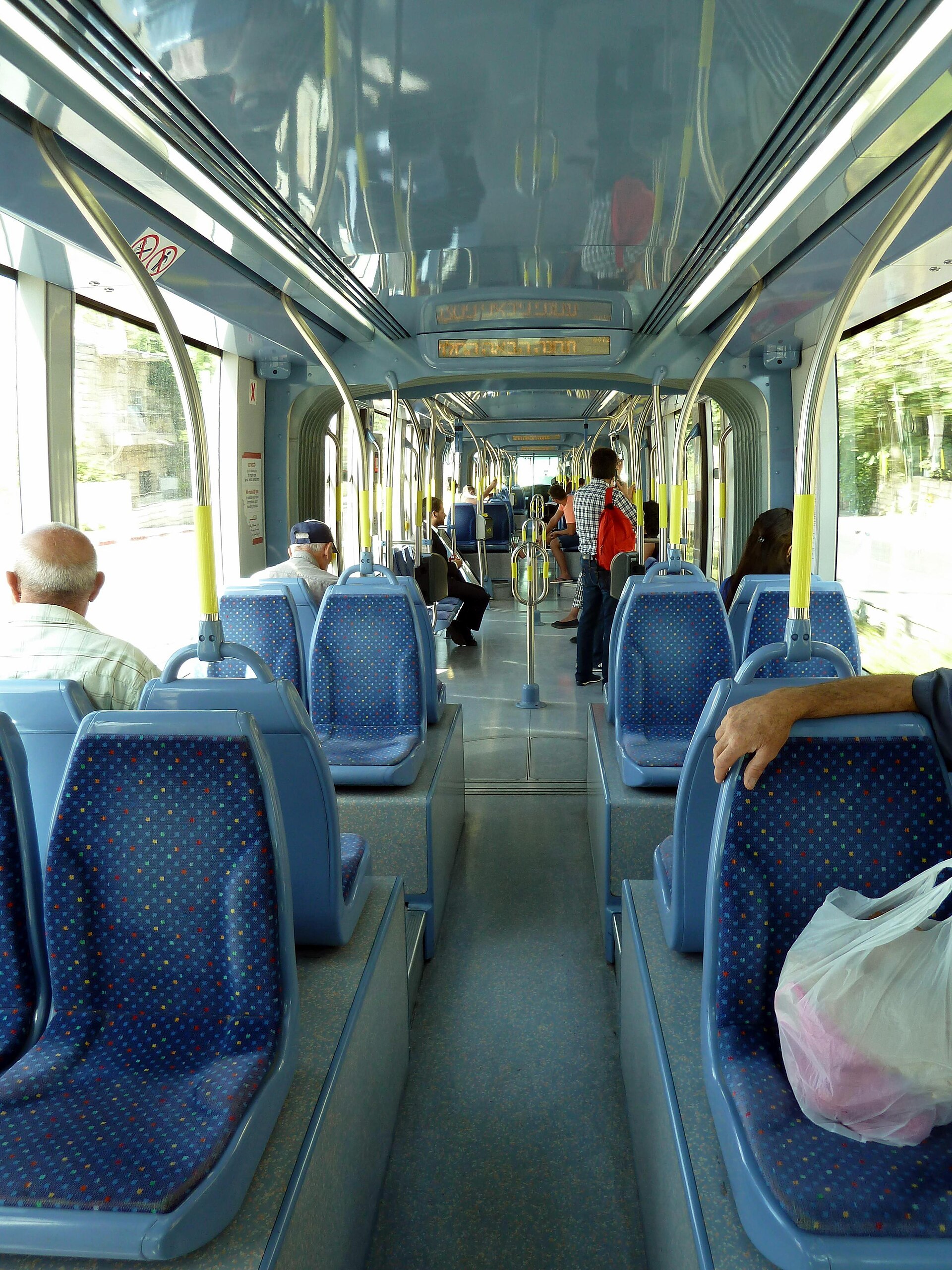
A camera on its own records. What it lacks is an end-to-end path: a sensor layer and analysis on the railcar, without sending the footage to the cloud.
For years a railcar camera did one job: it kept a tape. When something went wrong, someone opened the archive. That helps an investigation. It does not help a live shift.
What is missing is not another lens. What is missing is an end-to-end solution inside the railcar, and extra sensors around it: thermal for heat and smoke, audio for a shout or breaking glass, an occupancy sensor if it helps. Video is one channel. The event is born from the mix.
TRAFFIQ treats the railcar as a place of processing inside an end-to-end solution, not as a remote camera that uploads a stream to the cloud. The control room receives a frame, a zone and a time. A person decides whether to speak to the driver, stop at the next station, or send a crew. The same approach is deployed worldwide, at different security levels.
Anyone selling effortless connection skips the specification. Every railcar is a different geometry, a different light, a different procedure. The solution is custom-made — or it manufactures false alarms.