What we build in the railcar

An end-to-end solution: from the railcar to the control room, fitted to the security level

You are not buying a shelf module. You are buying an end-to-end solution for the railcar: sensors, analysis on board, and an event a control room already knows how to read. The solutions we offer are deployed worldwide, at different security levels — from a single railcar to a full operation.

End-to-end in the railcar

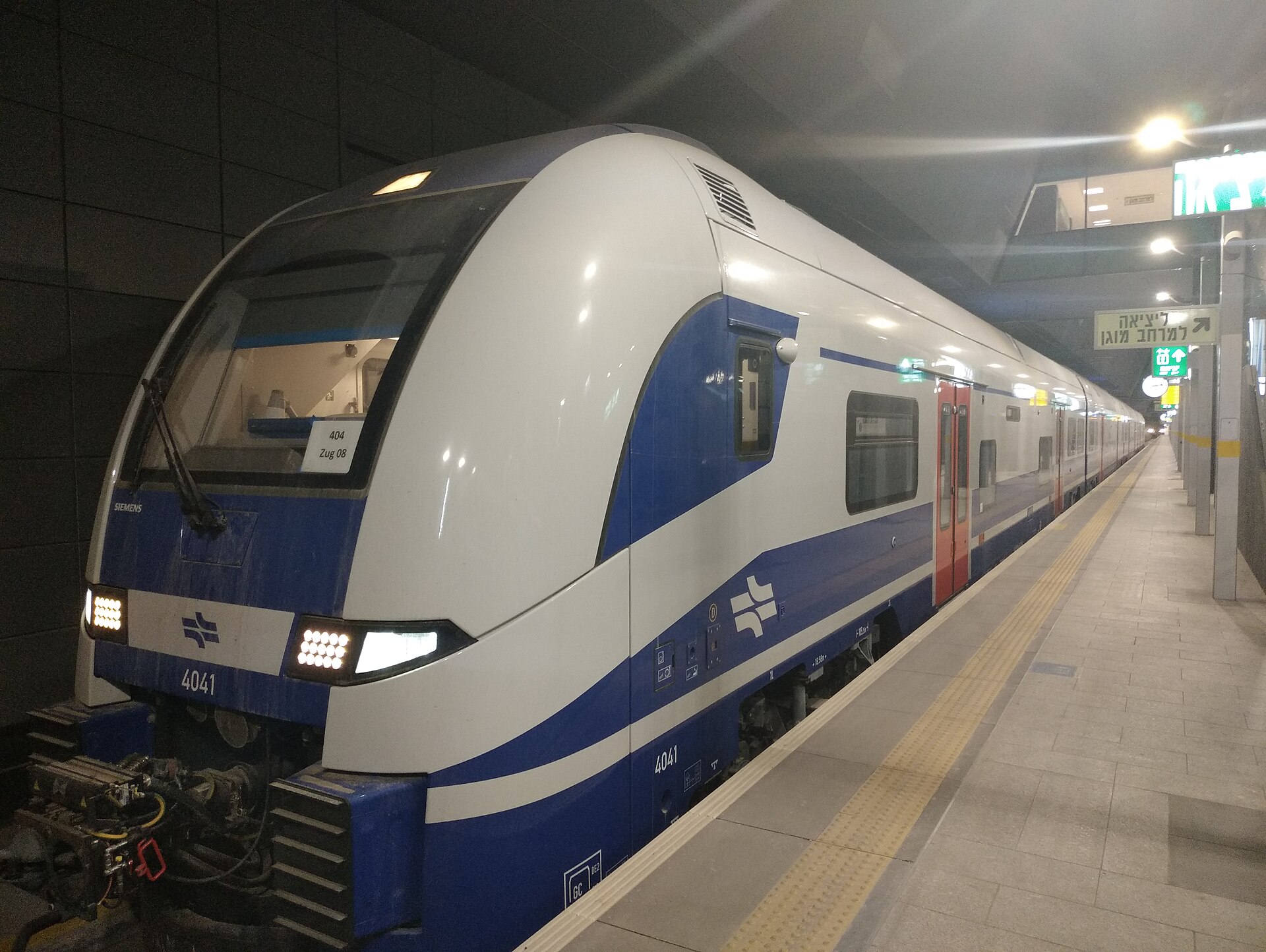
The line that matters: this is an end-to-end solution, and it lives in the railcar. Cameras and sensors, analysis on board, and an event in the control room — without sending video to the cloud. Processing runs on the railcar in motion. That is also how operations at different security levels work around the world.
Violence, running, fire, documentation

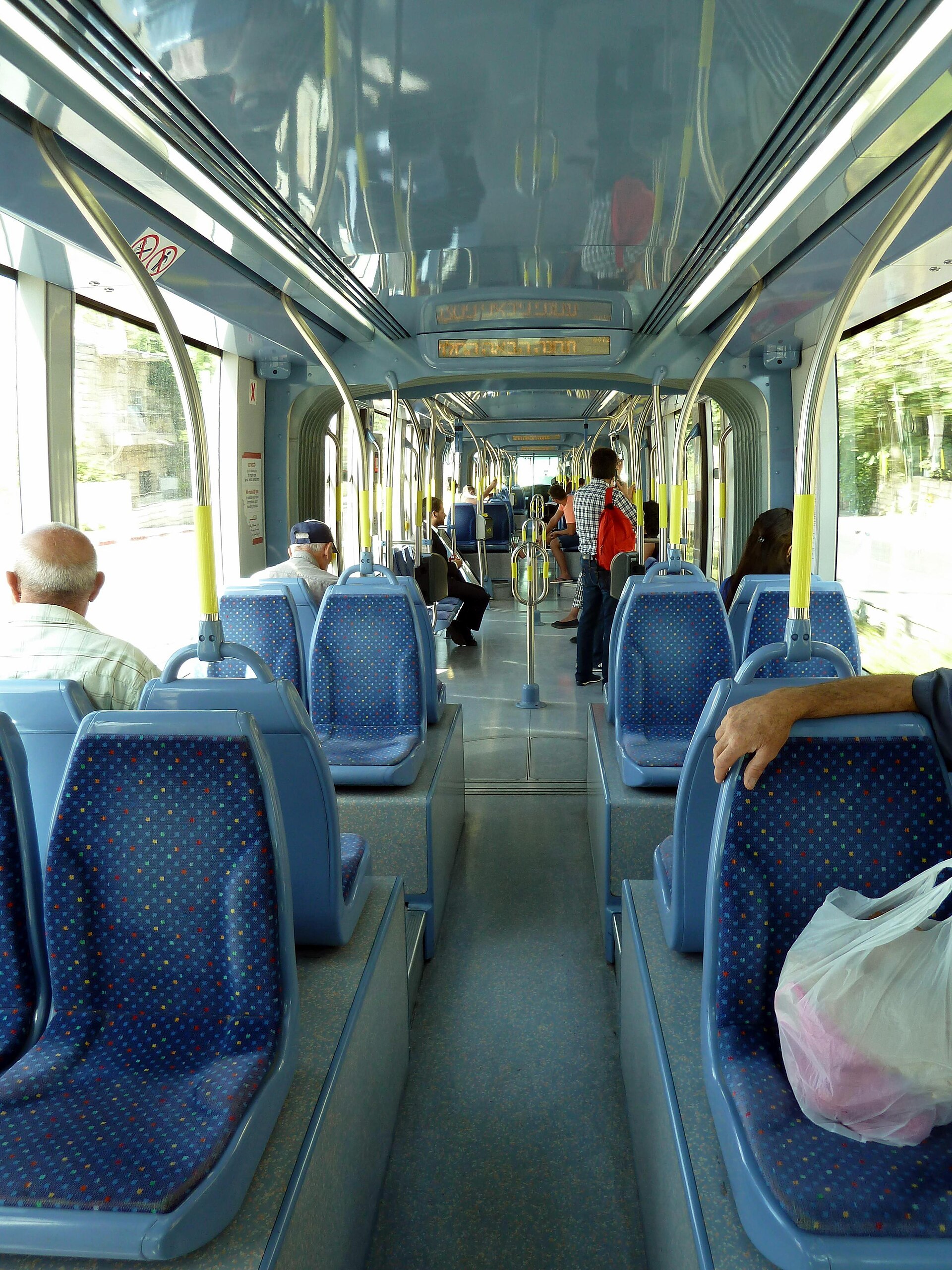
Among other things: a violence event between passengers, running in the aisle, smoke and heat, and a continuous record of the railcar for investigation. These are examples — not a closed list. Every scenario is tuned to your railcars and your control-room procedures.

Rugged cameras and sensors in motion

Gear built for the railcar: resistant to vibration, dust and impact, a compact body for a low ceiling, durable connectors, and where needed a panoramic lens or a modular camera when there is no room for a full housing. Beside the video — thermal and audio sensors. Installation goes through the approvals the railcar requires, including fire, electromagnetic compatibility and motion endurance. Every function keeps working while the railcar is moving.

Control room

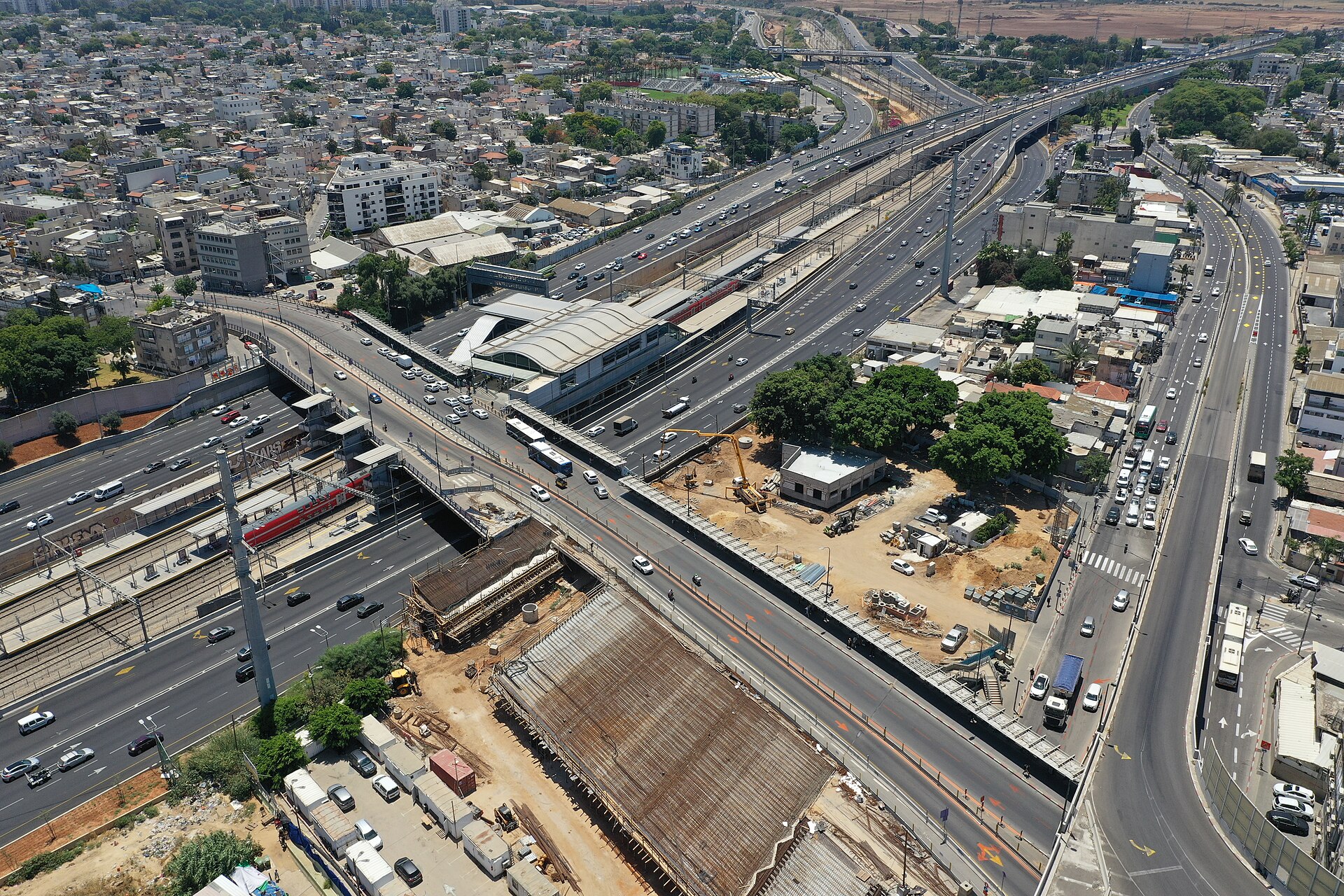
A hundred lenses are not a hundred decisions. TRAFFIQ cuts noise, attaches a frame to an event in the railcar, and sits inside the tools already open on the desk. The control room sees fewer screens and more context — without taking raw video into the cloud.

Deployed worldwide — at different security levels

The solutions we offer are deployed worldwide, at different security levels: healthcare sites, campuses, warehouses and logistics, retail chains, school districts, and city and transit operations — including large networks. We do not copy a pack from there onto a railcar. We take what has already been proven in those places, and build from it an end-to-end solution fitted to your railcars.

Heat maps for occupancy

A heat map on the railcar shows where it packs and where air remains — live, without identifying a passenger. The control room sees occupancy as a decision layer, not a ticket count. Thresholds can be set for the door, the aisle and the seats.

Transport standard, algorithm, and scenarios you can still add

The algorithm runs in the railcar, on gear that meets the transport standard. Privacy holds because the data does not leave. And beyond the examples on this site — the system can take many other scenarios from your own procedures.